



1. Performance and Riding Sensation
The most noticeable distinction between a rear hub and a mid-drive motor is how they feel when you ride them. The two provide feedback that has a real effect on your relationship with the road and the bike. A rear hub motor is in the back wheel hub, while a mid-drive is a motor attached to the center of the bike frame where the pedals are mounted. This location defines how power is delivered to the drivetrain and, ultimately, to you. This is the first thing to consider when selecting a motor.
Rear Hub Motor Feel:
- Pushy Push: The bike is pushed forward from the rear wheel by the motor; these tend to have a "pushy" feel. To some, it’s rather pleasant and powerful, akin to a small, quiet motorcycle.
- Independent Power: It feels a bit detached from your physical effort; power is executed independently – especially when the cadence sensor used is a basic one. The motor kicks in with a fixed level of assistance when you begin pedaling, no matter how hard you push.
- Instant Acceleration: Hub motors are often known for providing instant acceleration from a standstill and are great to get ahead at traffic lights, feeling safe.
- User Tip: If you’re looking for a bike that will do more of the work and offer an easy, scooter-like push, consider a hub motor.
Mid-Drive Motor Feel:
- Natural Amplification: Sometimes referred to as having "bionic legs," the mid-mounted motor amplifies your own pedaling power. So it feels just as if you’re doing the work, but with superhuman strength. This is usually done using a sensitive torque sensor.
- Predictable + Decoupled: Motor output is scaled proportionally to the amount of your input force. The harder you pedal, the more power you get; slack off, and the help fades away almost imperceptibly.
- Takes Advantage of Gearing: Since the motor drives the crank, it uses the bicycle’s gears to multiply its power. This enables you to stay in a low gear, which multiplies the motor’s torque for climbing steep hills without working too hard.
2. Cost, Maintenance, and Durability
Important aspects are the financial and long-term ownership considerations. The purchase price is a huge factor when it comes to making a decision about what to buy, but the cost of repairs and how well your system will last are bigger factors still for those who plan on owning their favorite e-bike over its lifetime. Typically, the less complex construction of a hub motor means a less expensive per-piece cost, although system maintenance considerations apply to both types.
Things to consider: Rear Hub Motor:
- Cheaper: Generally speaking, rear hub motor bikes tend to cost less than others. The motor can be a standalone device, with a less demanding and cheaper design that can fit in a standard bicycle frame.
- Less Drivetrain Wear: Motor power goes straight to the wheel, bypassing the drivetrain (chain, sprockets). Money Saver Tip: This will drastically increase the life of your drivetrain, and they will not need to be replaced nearly as often, saving you money in the long run!
- Complex Maintenance: Though the system is pretty robust, maintenance can be complex. Rear tire removal can be more complex when dealing with the hub motor’s wiring.
Mid-Drive Motor Factors:
- Higher Upfront Cost: The mechanical complexity of installing a motor into the frame and the crankset means mid-drive e-bikes cost more upfront.
- Increased Drivetrain Wear: The power from the motor, combined with your own, travels through the chain, chainring, and cassette. This extra force causes more wear on these parts, which will have to be replaced sooner than on a normal bike or even a hub-drive e-bike.
- Option To Consider: You can extend the lifespan of your mid-drive's drivetrain, but it takes some work. Clean and lube your chain every 100-150 miles, and learn to back off the pedals for a split second while shifting gears to minimize stress.
3. Terrain Suitability and Ideal Applications
The best motor for you will depend a lot on whether you're going to be riding more off-road or on the street. Your daily commute on smooth city streets is not the same as a weekend ride on bumpy mountain roads. The trick is to find the motor that best complements your most common terrain for a satisfying and effective ride. There are places where it's obviously best to use a hub motor and other cases where mid-drive motors reign.
Rear Hub Motor Benefits:
- Urban Commuting: Ideal for city riding with some hills and accelerates easily. The quick get-up-and-go is an aid in traffic.
- Utility and Cargo: With its powerful, direct push, the weight provides extra support to get large cargo or utility bikes moving from a standstill.
- Casual Riding: A casual experience in all riding conditions, perfect for those casual rides or bike paths.
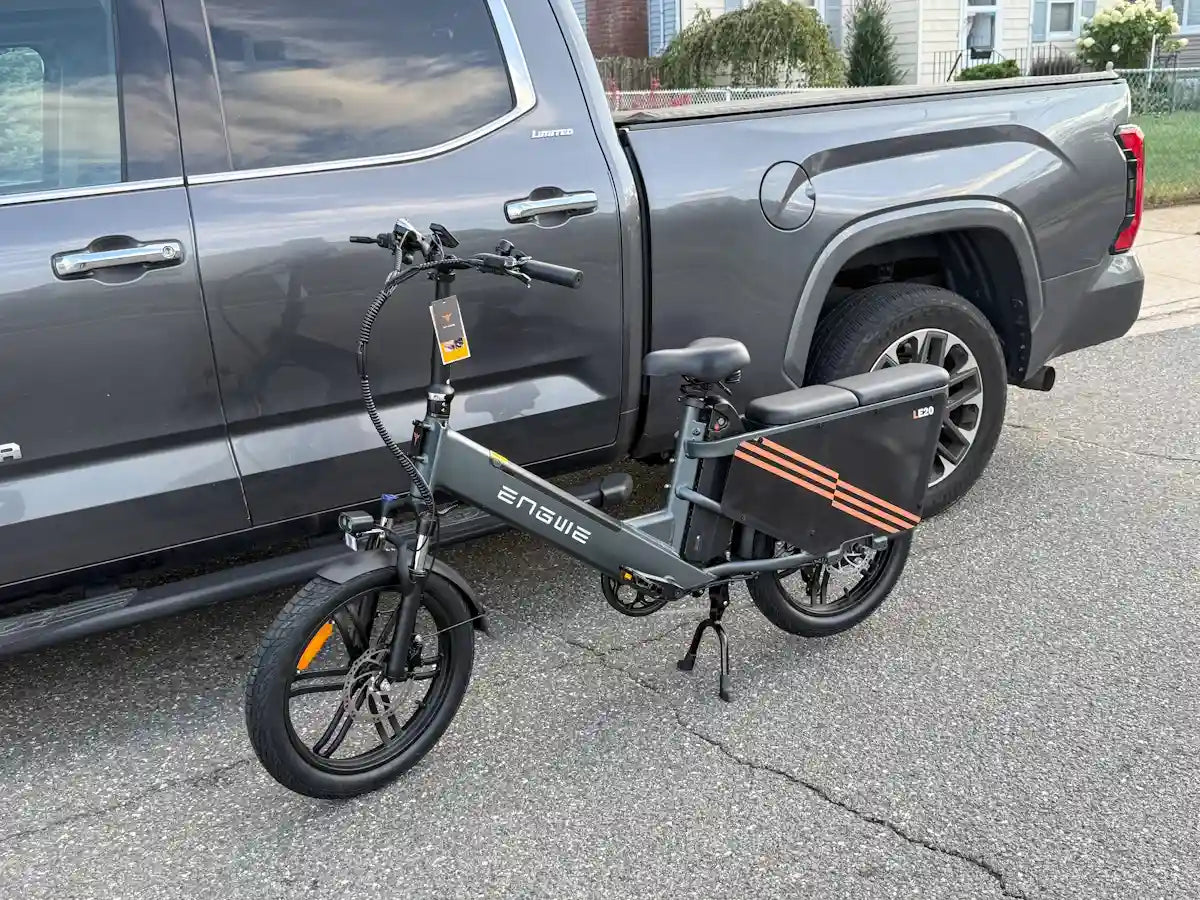
Versatility Spotlight: The ENGWE L20 Boost

A high-end rear hub motor is a great choice for both power and efficiency on such applications. The ENGWE L20 Boost is a perfect example of that. It demonstrates just how capable a modern, hub-drive bike can be.

- Power When You Need It: With a power-boost button that delivers instantaneous 75Nm torque output, it is paired with a 250W brushless motor. It’s ideal for pulling a grocery order up the driveway or to ride up an unexpected incline with just a touch.
- Luxurious Ride: This L20 Boost comes with the most advanced torque sensor out. This high-tech feature, usually only available in more costly mid-drives, offers an unbelievably smooth and natural riding experience by adjusting assistance based on your pedaling force—just like a standard bicycle.
- Go the Distance: A 48V 13Ah high-capacity battery gives you a maximum riding range of up to 126 km and guarantees that your ride is always hassle-free, free from range anxiety on extended weekend rides.
- All-Terrain Confidence: With 20x4.0 fat tires and a front suspension fork, the bike rides just as well on your favorite path as it does on the single track with its beefy tread tires.
- Utility meets Ready to Ride: The included front basket and sturdy back rack make the ENGWE L20 Boost a legitimate utility bike, ready to take on even the biggest jobs with all of your gear.
Mid-Drive Motor Pros:
- Mountain Biking: Best for serious off-road use, particularly in the case of technical climbs where a bike’s gears can be used to leverage torque.
- Hilly Terrain / Touring: When key factors to consider are long distances at great cruising speeds and uphill climbs, the efficiency and natural feel of a mid-drive is unbeatable.
- Performance Riding: If handling, efficiency, and a classic bike feel are critical to you, you would likely prefer the mid-drive.
4. Efficiency, Range, and Weight Distribution
How far you can ride on a single charge and how the bike handles are determined by efficiency and weight balance. Battery size (in Watt-hours) is the most important factor in determining range, but the efficiency of a motor determines how well it uses that battery power. Also, the center of gravity of the bike and consequently its stability are greatly affected by the location of the motor.
Why Choose Mid-Drive Motor:
- Great Efficiency: Mid-drive motors tend to be more efficient, as they can take advantage of the bike's full gear train. Key Point: A motor operates most efficiently in a specific RPM range. By changing gears, you can keep the motor in this ideal “sweet spot” whether climbing a steep hill or rolling along on flat pavement. That means more range from the same size battery.
- Balanced Weight Distribution: Setting the motor's weight low and in the center of the bike means better stability on tough terrain. Because of this, the rider will have better control and stability, as well as a more natural feel that is especially noticeable on trails or when negotiating tight turns. It also means it’s easier to lift the bike.
Features of Rear Hub Motor:
- Riding Efficiency: Hub motors are efficient on flat ground or slight hills where they can maintain a constant speed. But they can perform poorly on long, steep climbs as the motor has to work at a less efficient RPM without any gears to make it easier.
- Rear-Weight Bias: The entire weight of this motor goes to the rear wheel. This can lead to a bike that might feel “back-heavy” and slightly detract from its flickability in the twisties. It can also be more cumbersome to get the bike up onto a car rack or carry it up and down stairs.

5. Technical Considerations and Model Examples
In addition to the fundamental differences, there are a number of technical details and examples of specific products that can help seal the deal. Considerations such as the type of sensor, system integration — and seeing how these motors are implemented on real-world products will provide a full picture. This enables you to transition from theory into a real decision. There is also a summary table of key differences at the bottom.
| Feature | Rear Hub Motor | Mid-Drive Motor |
|---|---|---|
| Riding Feel | "Push" feeling, like a scooter | Natural, amplifies your pedaling |
| Best Terrain | Flat to rolling, urban commuting | Hilly, mixed, and off-road |
| Weight Distribution | Rear-heavy | Central and balanced |
| Drivetrain Longevity | Longer lifespan | Shorter lifespan (more wear) |
| Upfront Cost | Typically cheaper | Usually more expensive |
Technical Points to Consider:
- Type of Sensor: A cadence sensor (on/off assistance) is common in bikes with entry-level hub motors. Higher-end hub motors and almost all mid-drives employ a torque sensor for a smoother, more natural feeling.
- Wheel Removal: Removing the rear wheel of a hub motor bike involves disconnecting a power cable, so this is slightly more inconvenient than on mid-drive and non-electric bikes.
- System Integration: The way the motor, battery, and display are integrated is important. Clean and well-integrated indicators can signal that the e-bike itself is of higher quality.
General Model Role Guidelines Considering Use Case:
- Urban Commuting & Utility (Hub): Brands like Rad Power Bikes and Aventon offer up powerful, budget-friendly hub-drive models designed for city living and cargo hauling.
- For Performance Mountain Biking (Mid-Drive): This is the domain of electric mountain bikes from long-time established brands such as Trek, Specialized, and Giant, which use high-performance mid-drive systems provided by Bosch, Shimano, or Brose on their e-MTBs.
- Long-Distance Touring (Mid-Drive): Gazelle is one of the companies renowned for comfortable, high-efficiency touring e-bikes that rely primarily on mid-drive motors for their reliability and range.
Frequently Asked Questions
-
Which motor is better for a beginner?
For beginners, it’s usually more straightforward to use a rear hub for simple pedal-assist (or throttle-only) riding without the gear complexity. -
Do mid-drives need more maintenance?
Yes, they do put more wear on the chain and sprockets, causing you to clean, lube, and replace the parts sooner than on a hub drive. -
Are both motor types compatible with a throttle?
Generally, yes. Throttles are very common on most rear hub bikes. Although they are not as common on sporty mid-drives, they are available on some comfort or utility e-bikes as well.
In the end, the right motor is one that fits your personal riding journey.


