



1. Regulations Now: The Current Rules of the Road for E-Bikes
Before we dive right in to discuss what the rules might look like come 2025, it is important we first recap on the current law that regulates e-bikes in Italy. So at the moment, Italy conforms to the EU’s ‘pedelec’ or pedal-assisted bike regulations generally. They are handled similarly to regular bicycles, effectively providing a large degree of flexibility and convenience, which has made them extremely popular with both the local population and tourists. For a bike to be considered standard and not regulated as a moped, it has to follow a certain set of guidelines. If you understand these basic rules then when the proposed changes come through, at least you will have an aspect of knowledge to work from so you're not just blindly panicking about any travel in between a law being passed.
Some of the main features from the new law are:
- Motor Power Restriction: Effective motor rated at not more than 200 watts and the motor shall not be capable of assisting when the vehicle speed exceeds 15 mph.
- Middle cut-off: The assistance of the motor must however cease when the bicycle reaches a speed of 25 km/h, or as soon as the cyclist stops pedaling.
- No License Required: You don't need a driver's license to ride an e-bike that meets the requirements for power and speed.
- No Insurance Mandate: There is no mandate for third-party liability insurance at present.
- No Plate: Legal e-bikes don't have registration or license plate (targa).
- Helmet Rules: Riders under the age of 14 will be issued tickets (which must be paid — they’re not warnings), while adults are only advised to wear helmets, though it is always a smart safety measure.
- Cycle Lane Access: E-bikes have access to dedicated cycle lanes which can help you avoid the intrusions of busy roads.
2. The 2025 Highway Code Reform: What’s Changing?
The makeover by the Italian government aims to update the "Codice della Strada" (Highway Code), with substantial changes that would affect road safety for everyone. This reform particularly targets the gossamer ranks of light mobility including electric bikes and scooters which have experienced an explosion in popularity. The main incentive behind this is to make it safer on the road and encourage a sense of accountability among cyclists. Should the bill be passed and become law, it would also dramatically change what is required of someone who wants to ride an e-bike in Italy — moving from a largely unregulated activity toward something closer to the rules for operating a motor vehicle like a moped. These developments are why it’s important for travelers and residents to stay alert to legislative changes as 2024 unfolds.
The primary draft requirements for e-bikes are:
- License Plate (Targa) Requirement: Each and every e-bike is required to be registered and it’s necessary for all to display a state-issued unique license plate. This is the major adjustment, to ensure that it’s clear what vehicles are tied up with who.
- Compulsory Insurance (Assicurazione): Riders would have to maintain third-party liability insurance. This is to protect others you might have an accident which resulted in injuries/damages from that they were injured and had their property damaged.
- Helmet (Casco): The proposal calls for the requirement that everyone riding an e-bike wear a helmet.
- Indicator Lights: The reform could also require e-bikes to have turn signals or indicators so riders can navigate more safely in traffic.

3. Select Your Perfect Ride For Italian Adventures
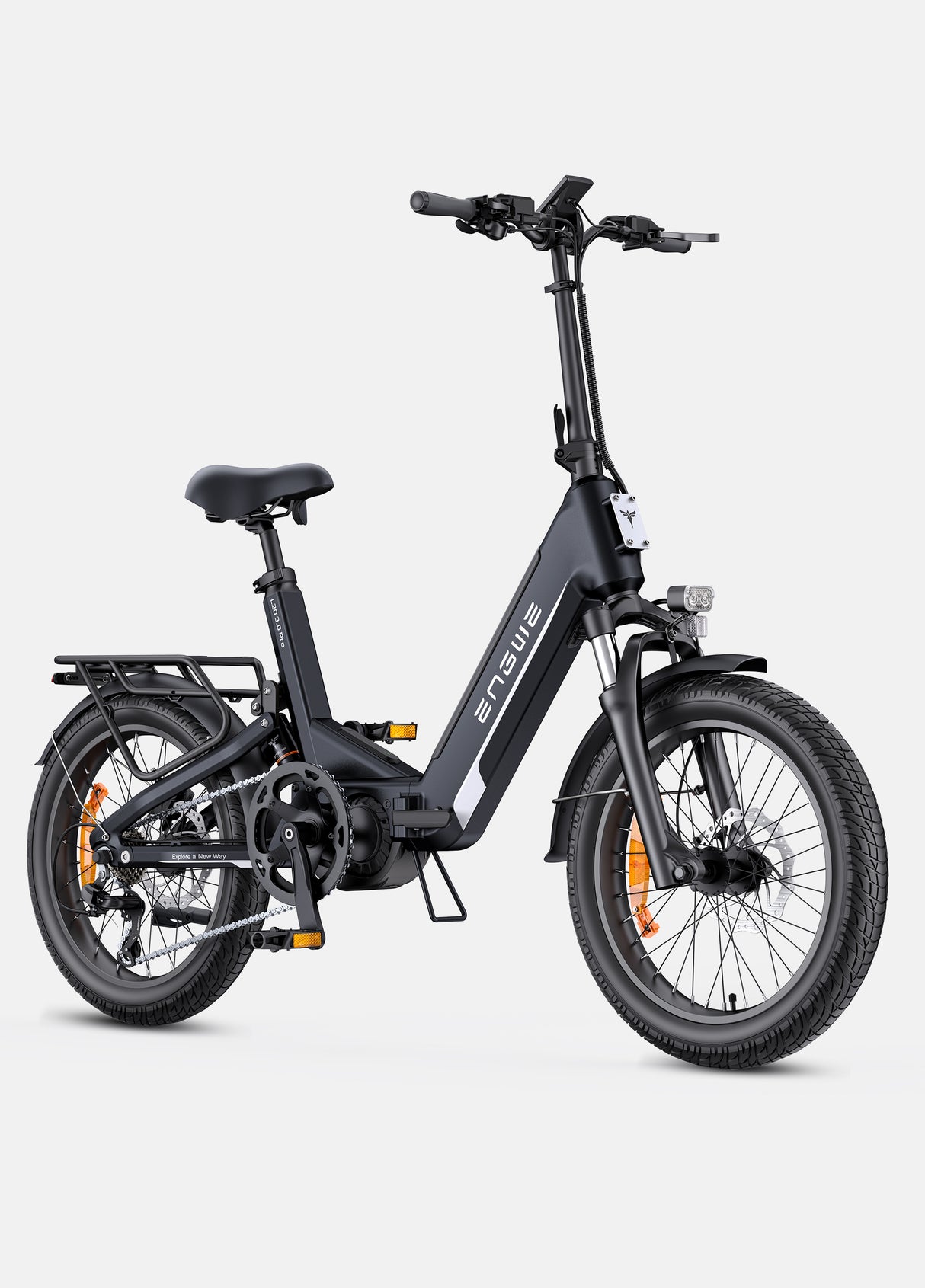
Getting around Italy's cobbled city streets can be a fun but frustrating experience; climbing rolling Tuscan hills is always better on an Electric Bike that will willingly comply. It’s in this niche that a brand like ENGWE stands out in creating award-winning vehicles which not only meet regulatory standards but also are extremely comfortable and above all, perform to the highest competitive level. Anybody intending to discover more of Italy, can go for a future-proof e-bike and enjoy a safe investment. The ENGWE L20 3.0 Pro characterizes itself as a no-compromise proposition designed to comply with both current and expected European standards in an impressively comfortable riding experience bordered on its clear priority toward power! Its well-conceived design is based on practical, real-world use, ideal for tourists requiring reliability of an aerial platform to take airborne selfies. The attributes of the bike are best aligned for the rigors of traveling Italy, so you can concentrate on your surroundings and not on the performance limits of your ride.

Why you should get the ENGWE L20 3.0 Pro:
- Easy Compliance: Its 250W mid-drive motor is EU legal, specifically for regulations. Just ride it!
- Unbeatable Comfort: The first compact frame in the world to house a full suspension provides 90% vibration absorption against the changing Italian roads.
- Unbeatable Convenience: The step-through frame is also easy to store in hotel rooms or walk down train aisles - a huge benefit for any traveler.
- Get Ready to Explore: The high-torque 100Nm motor can tackle city inclines easily and with the huge 160 km range, you're free to roam far from the city.
- Enhanced Safety: Engineered with an exclusive ENGWE IOT module, which includes GPS technology and safety alarms to keep your investment safe as you sip a cappuccino.
| Feature | ENGWE L20 3.0 Pro Specifications |
|---|---|
| Motor | Mivice X700 Mid-Drive, 48V (250W EU Standard Output) |
| Max Torque | 100Nm |
| Battery | 48V 15Ah (720Wh), with Samsung Cells |
| Max Range | 160 km |
| Suspension | Full suspension system (Front Hydraulic, Rear 30mm travel) |
| Brakes | Hydraulic, Dual-Piston (180mm) |
| Tires | 20″ x 3.0″ Urban Hybrid with Anti-Puncture Layer |
| Key Features | Foldable Frame, ENGWE IOT Module, 8A Fast Charging |
4. Effect on Tourists and E-Bike Users
The 2025 regulations will affect tourists looking to use e-bikes to explore Italy. The convenience of getting on a rentable e-bike might be supplanted by a more traditional system and increased paperwork and cost. For those bringing their own e-bikes, there could be that many more logistical challenges. Knowing these possible issues is the first step to avoiding them when you travel. The rental market will have to adjust quickly, and the costs are likely to be passed along to consumers. This change means it is more important than ever for visitors to do their homework before arriving, so they aren't surprised by new demands or costs.
Potential impacts to consider:
- Higher Rental Fees: The rental companies will have to pass those costs on to customers, who will be forced to pay for registration, license plates, and insurance on the entire fleet in the form of higher daily or hourly rentals.
- Complicated Rental Process: Trying to rent an e-bike may mean giving out more personal information and signing more comprehensive liability waivers in regard to the insurance policy.
- Challenges for Personal E-Bike Owners: Problems would also arise with foreigners who bring e-bikes from their home country, as they would have to make their way through Italian bureaucracy to get a foreign vehicle registered and insured on a temporary basis.
- Availability Issues: In the first few months after the law is passed, there is likely to be a shortage of fully compliant rental e-bikes while companies update their fleets.
- Saving Tip: Book your rental e-bike well in advance, and obtain written confirmation from the rental company that the vehicle will be fully street-legal (as per laws at that time!) during the period of your ride.

5. A Real World Guide to the New Rules
The best thing you can do to ensure that your Italian e-bike adventure is as smooth as possible is to be proactive in your approach. Instead of scrambling at the last minute, you can do a few things to keep yourself informed about and prepared for any new legal requirements. This requires following official information sources, budgeting for any potential new costs and knowing what to ask rental providers. And being methodical can help you avoid fines, confusion or, in some cases, another trip to a local department of motor vehicles office next year. The best way to ease into the future of e-biking in Italy with assurance and without complication is by becoming an educated rider. Consider treating this as part of the planning for your travels so you can focus on the joy of riding.
Your pre-travel compliance checklist:
- Check Official Sources: Keep visiting the websites of the Italian Ministry of Infrastructure and Transport and major automobile clubs such as the ACI for the definite, official text which will be passed as the new Highway Code. Stop using hearsay or old newspapers.
- Reach Out to Your Rental Shop: You might consider e-mailing or calling the actual rental shop before booking. Ask them specifically whether or not the e-bikes you plan on renting will come outfitted with license plates and insurance as mandated by the new law for your travel dates.
- Budget for It: If there are new costs you could face, make sure to factor them into your travel budget. That might be a few extra euros per day for the “compliance fee” on a rental, to some more than that if you order papers and are trying to register your own bike.
- Pack a Good Helmet: Don’t trust rental helmets. Providing your own will mean a correct fit, better hygiene AND guarantee compliance with any law requiring you to wear a helmet!
- Know Your Insurance: If you are renting, get the policy or a breakdown of what is covered so that you understand what will be protected in the event of an accident.
What is the probable long-term result of this proposed law?
The core elements — license plates, insurance, and helmets — are all but certain to be granted in the name of road safety, though there may still be some tinkering with specific operational details between now and the final vote.
Do these new rules apply to old school, non-electric bicycles?
No, the proposed changes would apply only to electric-powered vehicles such as e-bikes and electric scooters — and not pedal-only bicycles.
What should a tourist who is planning for a trip do to be safe?
The wisest move is to monitor the law’s ultimate fate and book with a reputable rental company that promises its fleet will be 100 percent in compliance.
By keeping abreast of these developments and getting ready for the changes to come, your electric bike tour of Italy doesn't need to be anything other than a fantastic adventure.


