



And the No. 1 reason to entertain an ex-company e-bike in your life is for monetary gain. They provide a compelling value proposition that’s hard to ignore, if not for one group of potential costs. That’s not the best part, however; that would be avoiding the most precipitous part of the depreciation curve – which is to say, you’re skirting off the massive value loss struck with fervor by your leasing agent. This enables you to get a premium model with upgraded features such as stronger motors, bigger batteries, and superior components for the same price as buying a new entry-level model. But the shrewd shopper has to do more than just take a sticker price at face value: You need to calculate the total cost of ownership. The initial cost may seem like a bargain, but it sometimes ends up costing more in replacements and repairs. Good due diligence of hidden fees or costs is critical to ensure your "bargain" does not become a cost headache months down the track.
Financial Benefits and Potential Costs
Financial Benefits
- Big Initial Savings: Most of the time, you can purchase an e-bike at 40-60% cheaper than its original retail price.
- Access to Premium Tiers: Get breakout bikes that have better frames, suspension, and motor systems than you might otherwise be able to afford.
- Included Accessories: A lot of lease bikes come with pannier racks, good quality locks, and mudguards as part of the price.
An expense you may not see coming:
- Immediate Maintenance: Calculate the cost of swapping in new consumable parts, like tires, brake pads, and a chain that might be worn out.
- Battery: The most costly part. If the battery has high charge cycles or declined performance, a replacement may come to hundreds of dollars.
- Warranty Void: You won’t have a manufacturer warranty on the bike, so if anything goes wrong with the motor or electronics, you are SOL.
The Essential Mechanical Inspection
The best defense against ownership of a POS e-bike is a complete mechanical inspection. An e-bike has sophisticated electrical systems that you will need to inspect properly, which is not so with a regular bike. Your check should be thorough and include all the most important components from your frame to the drivetrain. You must take a test ride; test riding is the only way to feel how the motor engages, listen for any strange noises, and see if the brakes will work under real-world conditions! Don’t be afraid to be specific. A good seller will be patient with a thorough inspection of the item, while one who has something to hide will take offense. This pre-purchase diligence is the first and most important step to ensuring you choose an ex-company e-bike that’s a reliable and safe bet. Look for wear at high-contact points, as this will show how much and how well the bike was cared for.The Frame and Fork Checkup:
- Look for signs of stress fractures in all welds—these will be detailed broken lines that look like tiny cracks in the paint.
- Inspect for any dents or deep scratches that might impact the structure.
- Make sure the fork compresses and rebounds smoothly with no binding or noise.
The Drivetrain and Brake Check:
- Check for rust on the chain and use a chain checker to gauge stretch, etc.
- Check the cassette and chainring teeth - they should not be sharpened like "shark fins," but symmetrical.
- While test riding, run through all the gears to make sure all changes are crisp.
- Grip the brake levers tightly. They should feel quite firm, not spongy. Check brake pads for wear.
Wheels and Tires:
- Spin the wheels to check for trueness (no side-to-side wobble).
- Look at the wear on tire treads and sidewalls for any cracks or perishing rubber.

A Top Choice: The ENGWE L20 3.0 Pro
For a lot of riders looking for a high-end and reliably engineered bike, ENGWE stands out. If you do spot an ENGWE model such as the L20 3.0 Pro in the ex-lease sector, then it is a very good chance to own a high-quality e-bike without spending premium prices on it. ENGWE has earned a reputation for blending durability with modern features, and the L20 3.0 Pro is no exception to this trend.ENGWE L20 3.0 Pro: One of the Best Choices
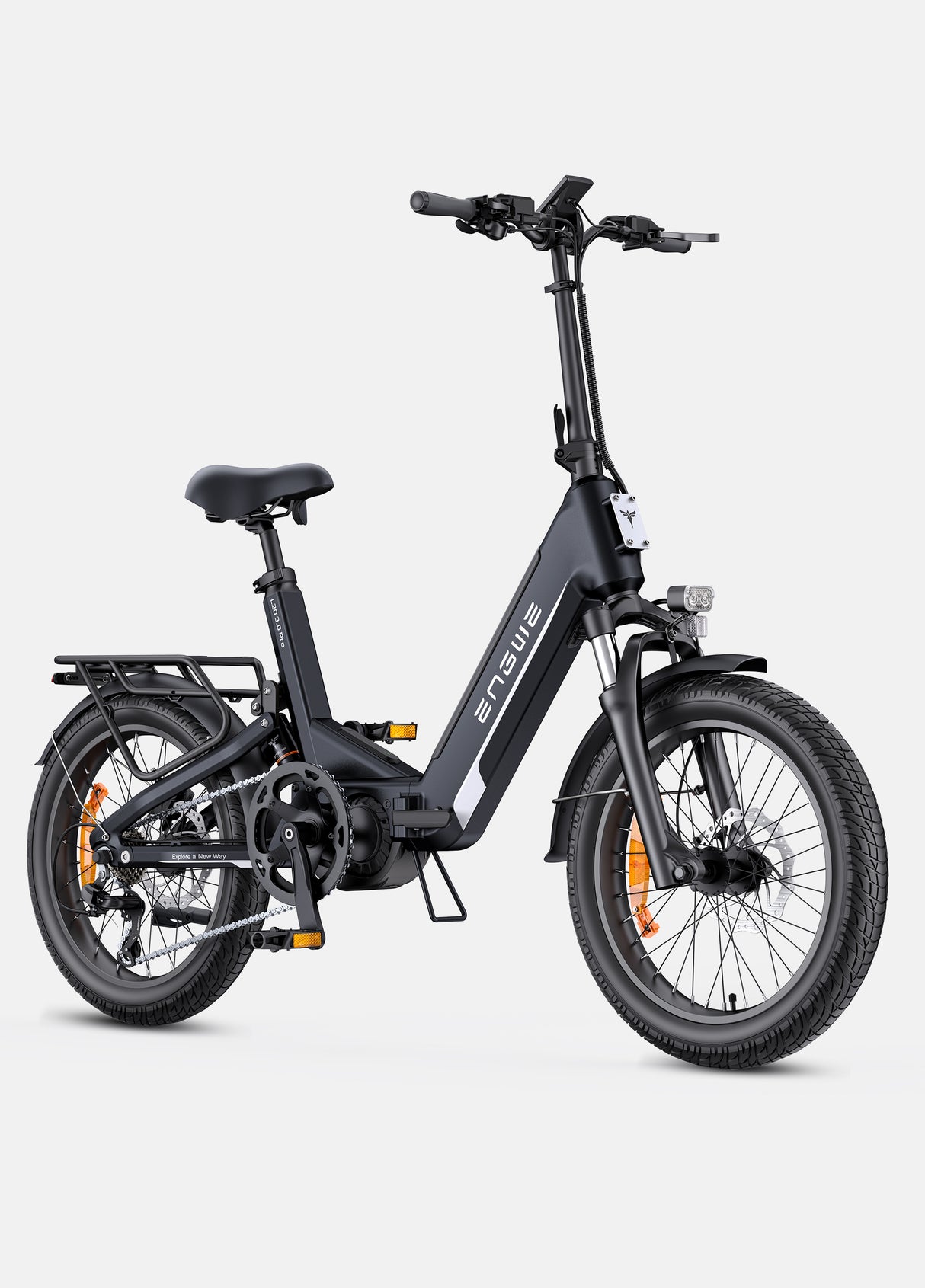

- Unmatched Comfort: The World’s First compact e-bike with full suspension absorbs all the bumps so you won’t have to. Up to 90% smoother than a traditional suspension fork for optimal performance on and off the road.
- Powerful Power Source: The high-performance 250W Mivice mid-drive motor offers 100Nm of torque, featuring excellent hill climbing and ample quick off-the-line power.
- Outstanding Range & Charging: The giant 720Wh Samsung cell battery is good for an impressive range of up to 160 km, and the fast 8A charging minimizes downtime.
- Smart Bike Display Adopting Leading-Edge Tech: The bicycle adopts a state-of-the-art display, powered by a CPU with pinpoint precision.
- Enhanced Security: With an integrated ENGWE IoT module, your E-MTB comes with smart anti-theft protection, real-time live tracking, and app-based maintenance, all-round security accessories for maximum investment value.
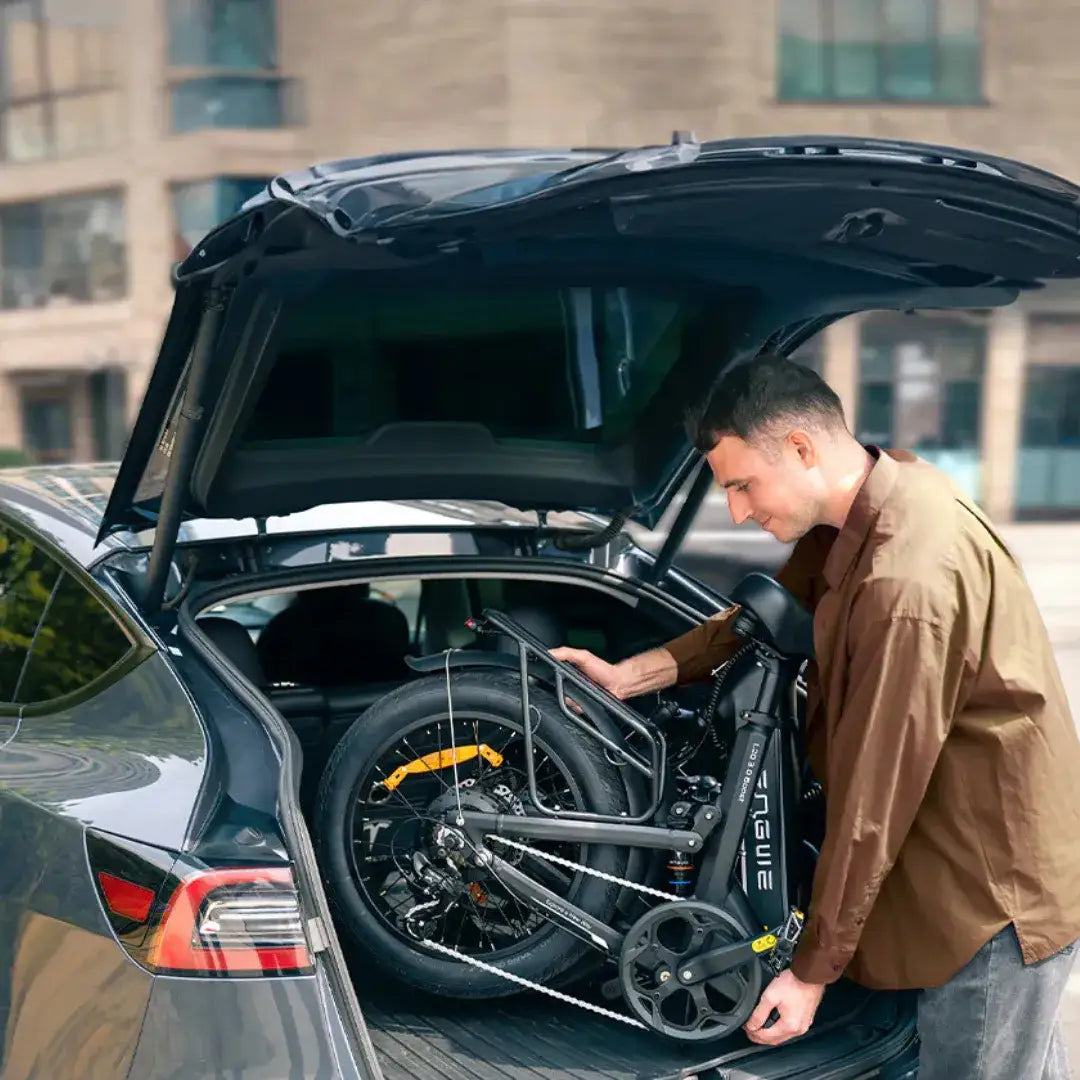
- Designed for Accessibility: The folding step-through makes it easy to get on and off the bike, a hydraulic dual-piston brake provides ample stopping power, and a peek-a-boo rack is also included, making it perfect for any adventure of your choosing.
Other Reputable Brands to Look For
As good a discovery as such a top-end choice like an ENGWE is, the ex-lease options out there include many other similarly trusted brands and models that have proved themselves time and again to be both rugged and reliable in fleet applications. These brands are known for constructing dependable electric bikes that can endure the abuse of everyday use, so they’re a good bet to enjoy a second life. If you’re in the market for an ex-company bike, it’s worth looking at machines from these well-established companies that can provide a genuine chance of picking up a quality-built and reliable machine. Each brand tends to have a specialty, whether it is making rugged, all-purpose bikes or comfortable, upright city cruisers. Doing a little research on the specific models you come across will help you decipher what they are and if they suit your riding requirements.Other Good Brands You Might Find in a Fleet:
- Rad Power Bikes: They’re known for their rugged, utilitarian design — they’re often described as the workhorses of the e-bike world — and durability.
- Gazelle: The Dutch company is known for making comfortable, upright city and commuter bikes that are high on quality and reliability.
- Trek & Specialized: These are major worldwide brands and mentioned because their e-bikes have excellent quality frames and reliable motor systems from Bosch or Shimano.
- Cube: A German brand best known for its precision engineering and performance-oriented e-bikes in a range of categories.
- Raleigh: A heritage brand with a selection of reliable and comfortable e-bikes for commuting and leisure.
How to Finalize Your Purchase
The buying process can be simple to navigate with some strategic tactics applied in sourcing and some elements of negotiation needed to ensure the purchase is done safely. The first step is knowing where to look. Other than general marketplaces, fleet-sale dealers can be good sources since they typically sell reconditioned bikes with some sort of limited warranty. Once you have found a prospective bike and inspected it, now is the time to negotiate. Anything including worn-down tires or brake pads -- use it as a bargaining chip -- a way to reduce the price. Lastly, always prefer a secure and documented transaction for your peace of mind so you don’t accidentally purchase a stolen e-bike. The right paperwork can also be more than just evidence of ownership—it can serve as a history lesson.| Inspection Area | What to Look For | Red Flags That Should Cause Concern |
|---|---|---|
| Battery | Request charge cycle count, look for wear and tear. | Bulging, deep cracks, sudden power drops under load. |
| Motor | Listen for noise during a test ride. | Grinding, whining, or clicking sounds. |
| Frame | Look at the welds, main tubes, and fork. | Cracks in paint, major dents, or a bent fork. |
| Brakes | Ensure stopping power; verify pad life. | Spongy levers, loud squealing, or fluid weeping. |
| Electronics | Test the display, lights, and assist shifter. | Blank display, flashing error lights, or erratic assist engagement. |
How to Make a Purchase:
- Ask for Paperwork: Having the original receipt and all service records is gold. They demonstrate possession and indicate that the bike has been cared for.
- Double-Check Serial Numbers: Check if the electric bike has been reported stolen on online registries, such as Bike Register.
- Argue the Specifics: Gently cite that your new ride will require such refitting (e.g., "This will need a new chain and tires, which could be like $X") justifying your number.
- Get a Bill of Sale: Always obtain a written receipt including the seller’s name and contact information, the bike’s serial number, and the date of sale.
Frequently Asked Questions
Answers to three of the most frequently asked questions about buying an ex-company e-bike:- What is the greatest risk of all? The primary risk is that the battery will fail prematurely. A new battery can be costly, so knowing the health of the current one before purchasing is the single most important step.
- Can I get a warranty on an e-bike bought used? Typically, no. The manufacturer's original warranty is not transferable. However, some commercial refurbishers that sell ex-lease bikes may provide their own limited 30 or 90-day warranty.
- Is it always the least expensive option? Not necessarily. A high-mileage luxury e-bike that needs major repairs (a new motor and battery, for example) may cost more to fix and upgrade than a new budget e-bike that is already reliable.


