



An electric bike with a mid-drive motor and a coaster brake in tandem? How about that? A mid-drive with an onboard brake is quite the combo for an electric bike, which causes a lot of chat among our cycling friends. This combines modern power with conventional, foot-activated braking and results in a clean look as well as the easiest possible driving experience. But such a mix also brings certain technical difficulties and performance trade-offs. This article dives into a look at the five critical aspects of mid-drive backpedal e-bikes, including what is good and not so good about them, to help you decide if this niche configuration is perfect for your needs!
1. Rider Experience and Usability
The greatest selling point of a coaster brake e-bike is the simplicity and natural reach in using a bike, which can be nothing short of an asset or a negative thing depending on who you ask and what type of riding ground you're covering. For casual city commuters, that simplicity is a big selling point. There are fewer cables jumbling up the handlebars, and the muscle memory to backpedal into a stop is second nature for anyone who has grown up with it. Although the simplicity of this model is as claimed, a trade-off lies in the lack of sophistication in how to respond in more challenging scenarios. You just have to know some of these experiential nuances.
-
Simplicity and Purity:
Without a rear brake lever or cables, it gives the bike a clean look. Operation is simple: Pedal forward to go, pedal backward to stop. Great for casual riding on predictable surfaces. -
Technical Use Disadvantages:
On bumpy terrain, or while descending such as downhill, not being able to adjust your brake pressure is a big con. It’s hard to modulate the brake in order to feather your speed. Plus, you won’t be able to move your pedal position down in case you ever really need full stroke height clearance due to an obstacle while braking at the same time, a common trail riding action. -
Learning Curve for Contemporary Cyclists:
Cyclists who are familiar with the pull of hand-operated disc or rim brakes may need to get used to the feel. Muscle memory for yanking levers is a lot stronger than learning the instinct to pedal backwards during a panic stop, and it’s something one must practice. -
Starting on Hills:
It's very hard to get started in gear when starting on a hill. First, you'll have to put the pedal in the "power" spot (around the 2 o'clock position). With a coaster brake, you can’t easily do this because of the backward pedal movement requirement, so you’ll have to lift the wheel or roll backwards a bit.
2. Technical Performance and Drivetrain Integration
The engineering symbiosis of a powerful mid-drive motor with a coaster brake is byzantine. Mid-drive systems send the most power directly to the chain and rear hub where the coaster brake is located. This introduces new single points of failure that need to be managed and whose safe and reliable operation depends on sophisticated engineering. It is much more than just bolting parts together — there are sensors, software, and strong internal units required to make it happen. Something to note is that when the brake is applied, power to the motor must be canceled out so that the motor doesn’t keep driving while the brakes are on – attempting to apply both torque and brake at the same time will destroy your hub.
-
Motor Cut-Off Systems:
When you have a mid-drive as well as a coaster brake, you need sensors that can quickly cut off the motor when backpedaling. If this system is not working, or there is a delay (or if it's a coaster brake model and the chain slips), the motor can directly fight against the brake, placing undue stress on the chain/sprocket/internal hub assembly. -
Wear to Drivetrain:
Excessive force can accelerate wear on the entire drivetrain. The inner workings of the hub need to be able to withstand the weight and load of a rider on top of extra power not supplied by them. -
Torque vs. Cadence Sensors:
E-bikes that employ this setup are often equipped with a torque sensor. This provides a more intuitive assist that naturally responds to your pedaling and makes stops feel like steps. A cadence sensor, which activates the motor once you start pedaling, can feel more punchy and sudden and put more abrupt strain on the coaster hub. -
Internal Gear Hubs (IGH):
It is almost exclusively on bikes with internal gear hubs that you find coaster brakes. Although these hubs are low maintenance themselves, it is important to couple them with the right high-torque mid-drive motor that the hub can handle.
| Feature | Coaster Brake System | Standard Hydraulic Disc Brakes |
|---|---|---|
| Modulation | Low (Frequently on/off sensation) | High (Refined modulation of braking power) |
| Weather Performance | Excellent (Internal, protected from elements) | Excellent (No significant performance loss in the wet) |
| Complication with Mid-Drive | High (exclusive sensors and strong hub is needed) | Low (Non-dependent system, easy to integrate) |
| Maintenance | Low (internals are sealed) | Medium (pad swaps, fluid bleeds) |

3. Safety, Control, and Handling Dynamics
Safety and control are key on any Electric Bicycle, especially with the coaster brake; see extra notes below. Its stability in bad weather stems from its internal configuration, but that can also make it difficult to control at critical times. The primary safety concern is all about non-modulation and locking up the rear wheel. While hydraulic disc brakes can be modulated with precision, the idea behind a coaster brake is mostly "on or off." This can be a jolt, and one that risks skidding – particularly on a wet or slippery surface where there is already little grip.
-
Less Hand Fatigue:
If you have arthritis or lack hand power, a coaster brake can be most welcome. You no longer have to grip a brake lever, which is great when your hands and arms get tired over long rides. -
Rear Wheel Skid:
What you are most likely to be afraid of is that the rear wheel will lock up under hard braking. An impetuous stomp on the pedals can cause skidding and subsequent loss of control. That is particularly hazardous when you’re in a turn. Users should learn how to apply pressure gradually rather than suddenly. -
Redundancy (If Sole Rear Brake):
Many coaster brake bikes are single speed and do not have a front handbrake, so they could make emergency stopping impossible. Depending exclusively on a rear coaster brake isn’t going to give the emergency stop you need for a heavy, fast e-bike. Pro Tip: Always select a model with a front handbrake for true safety (and redundancy). -
Accidental Engagement:
New riders sometimes engage the brake by mistake as they try to move their foot or level pedals while coasting, which causes an unexpected and possibly dangerous sudden stop.
4. Best of the Best: ENGWE Engine Pro 2.0
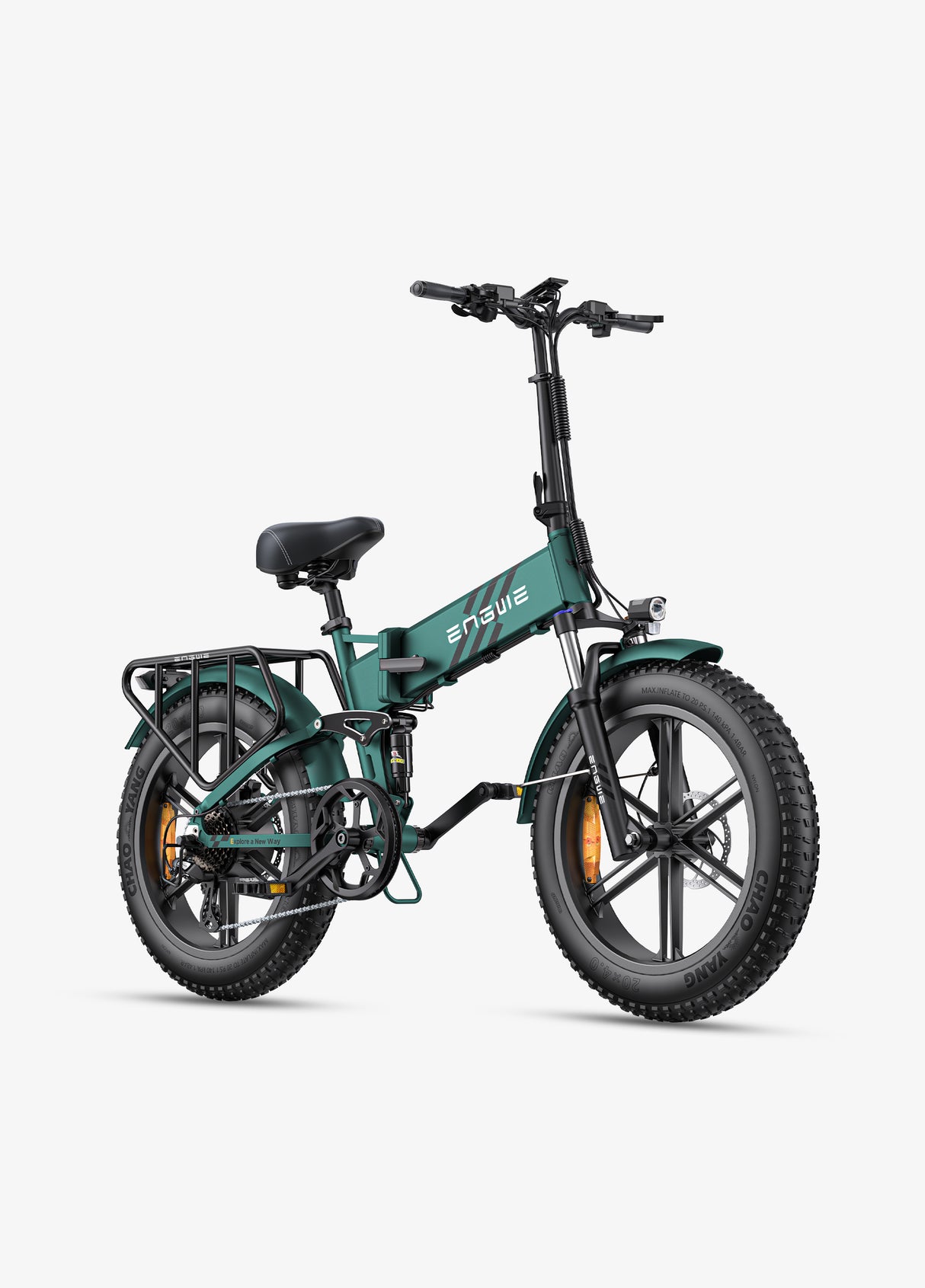
Coaster brakes have a limited audience; most cyclists who value performance, safety, and all-terrain capability will want the even stopping power modern brakes offer. ENGWE is one of the best value electric bike brands on the market. Rather than settling for a coaster brake, ENGWE emphasizes strength, reliability, and power. One of the remarkable models is the ENGWE Engine Pro 2.0. Built to be your steadfast companion in the wild, it’s the most powerful folding e-bike on earth. It side-steps the restrictions of coaster brakes completely, using a much more advanced and safer system.

-
Strong And Responsive Braking:
Fitted with 160mm hydraulic disc brakes. This system gives you all the power you need and great modulation so that you can control your speed by fingertip feathering in any weather, compared to either full application or none at all as with coaster brakes. -
High-Quality High-Torque Motor with Advanced Sensor:
Climb steep hills faster and easier than ever before with the extremely powerful 75Nm high-torque motor. The top-line torque sensor delivers an instant, lag-free start and a ride that feels dynamic: power is delivered at the exact moment you need it without the juddering experienced on more basic systems. -
Extreme Comfort and Maneuverability:
Back up that support, feeling safe and comfortable on snow, sand, gravel, muck, or mud with massive 20 x 4.0 fat all-terrain tires. -
Made for Performance:
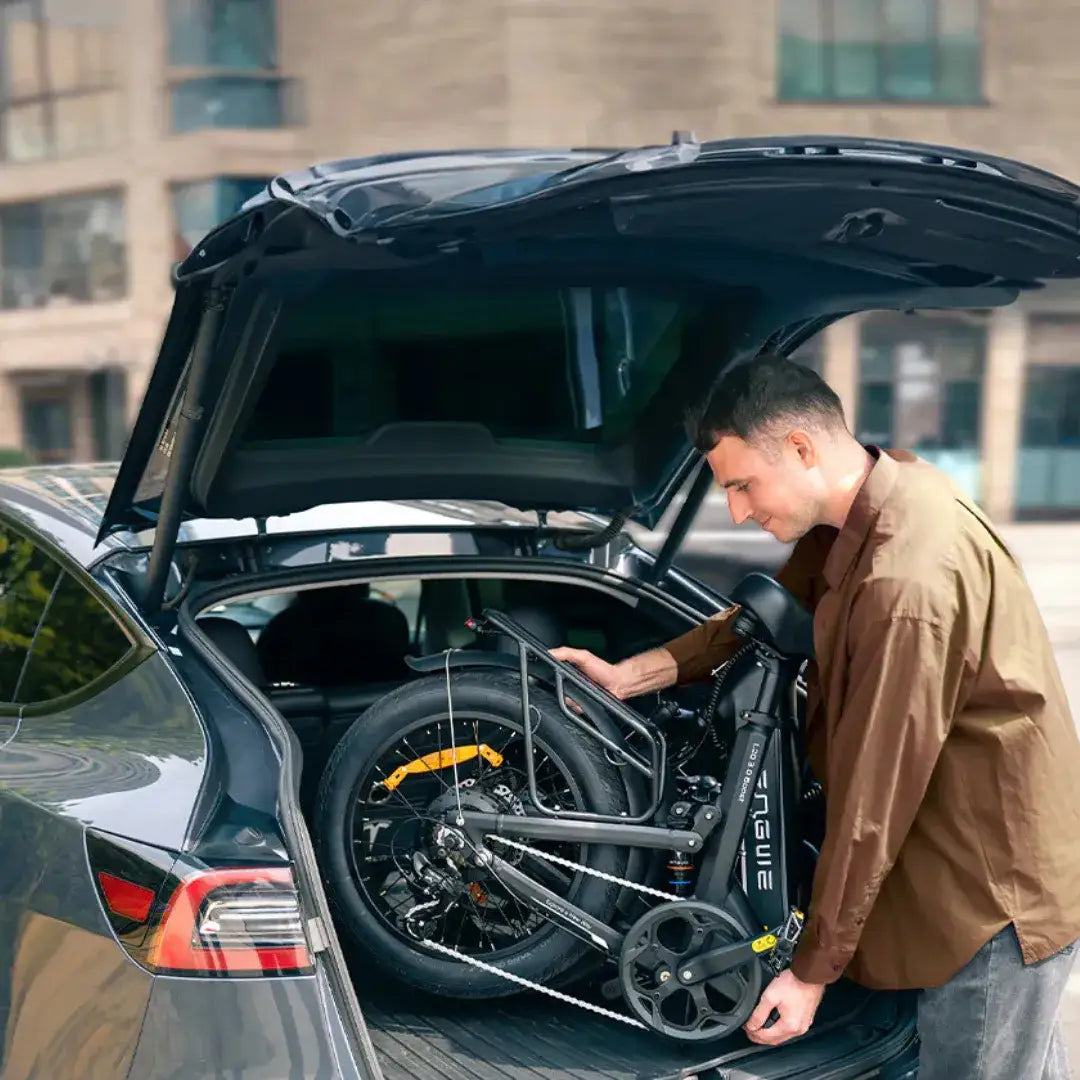
A class above the rest, get to where you're going with the precision control that an 8-speed Shimano has to offer and leave the coaster brake single-speed rattling your teeth in your garage. The ENGWE Engine Pro 2.0 has been designed for those looking for serious range and the ultimate peace of mind - with a battery capable of reaching up to 110km and a folding action that takes just ten seconds!
5. Market Landscape and Alternative Options
For those passengers who are after that simplicity and retro aesthetic of a coaster brake on an Electric Bike, the market is niche but loyal. These bikes usually focus on comfort and cruising as opposed to faster rides. They are most commonly used in European-style city bicycles, which have relatively flat terrain and a more straight, relaxed body position while riding. This, however, you won't find on mountain bikes or fast distant commuters as it's not safe and is worse for performance (for the aforementioned reasons).
-
Dutch-Style City E-Bikes:
Brands focused on traditional, upright “Dutch” bikes are the most likely to offer this combination. These bikes are all about comfort, simplicity, and looks, so the coaster brake makes sense for their audience. -
Cruiser E-Bikes:
A few beach cruiser e-bike models sport coaster brakes to preserve the retro, laid-back cruiser look. The emphasis is on easy, fun rides on boardwalks or level bike paths. -
Custom Builds:
The DIY e-bike community will occasionally try retrofitting mid-drive motors on current coaster brake frames. This also takes some pretty serious technical ability, ensuring the brake cut-off sensors and hub compatibility are set up in a way that is safe as well as functional. The Money-Saver: Building a DIY setup may seem like easy savings, but the price of an internal gear hub with torque ratings and its needed electronics can be stupidly high. A mistake here might be a costly and unsafe one, so often the most financially economical thing to do in the long run is just buy a bike made by professionals.
Frequently Asked Questions:
Q1: Are mid-drive coaster brake e-bikes well-suited for hills?
A: Generally, no. They are not designed for hilly conditions. They suck to start on an incline and you have no modulation control when bombing a hill.
Q2: What's the most important upshot of this arrangement?
A: The biggest benefit is that it is stupidly simple and weatherproof and perfect for everyday riders who find themselves riding casually in a largely flat, urban setting and who are interested in a super clean "no cables" look.
Q3: Is it possible for me to put a front brake on a coaster brake e-bike?
A: Absolutely, and you should. For safety's sake on all Electric Bikes, we recommend at least a front disc brake, and some have it front and rear.
Ultimately, it all boils down to your riding style and preferences at the end of the day.


