



The motor is the heart of an electric bike, and in 2025 the fight for glory has never been more intense. The big three (Bosch, Shimano and Yamaha) will undoubtedly keep innovating over the next few years, each bringing unique benefits to different riders. And over the next three pages we're going to examine these three popular drive systems in detail, on five key fronts - from brute power delivery and tech implementation through to long-term ownership costs - so you can make an informed choice for your next e-bike purchase.
1. Performance, Torque, and Ride Feel
An electric bike is a product of how the motor applies power. Each brand has its own philosophy and therefore the sensation underfoot is different. Bosch is known for its smooth power and also in the Performance Line CX motor it rides very strong and predictable. Its eMTB mode can't be beat, artificially changing the level of assistance based on pedal pressure so technical climbs feel natural. Take Shimano, whose EP-series motors including the EP801 are all about light and compact design resulting in an incredibly natural ride that's closer to a regular bike than any other. On the other hand, Yamaha’s PW-X3 is a legend when it comes to aggressive power without any delay. Its “Zero Cadence Support” ensures you receive full torque the instant you push on the pedals, meaning this is an undoubted favorite among riders who love that explosive response when clearing obstacles or accelerating from a standstill.
Bosch Performance Line CX:
- Ride Feel: Fast, powerful and very controlled.
- Key Feature: Discover the all-new eMTB mode that allows you to “set it and forget it.”
- Best For: Riders who want a top-end, polished feel and intuitive assistance on technical terrain.
Shimano EP801:
- Ride Feel: Natural, responsive and very much to your liking.
- Key Feature: Ultra lightweight construction enhances handling and responsiveness.
- Best For: Experienced mountain bikers; riders who want their e-bike to feel as close to an analog bike as possible.
Yamaha PW-X3:
- Ride Feel: Raw, punchy and all kinds of immediately gratifying.
- Key Feature: Direct response even starting at the lowest RPM.
- Best For: Aggressive riders who require instant torque to take challenging starts, and demand a powerful burst of power for clearing big doubles or launching off of supercross-style jumps.
2. Technology, Connectivity, and User Interface
Beyond just the motor, one of the big battlegrounds is over its surrounding ecosystem of displays, apps and smarts. One of the first among equals here is Bosch, with its Smart System that boasts a high-degree of integration. The eBike Flow app offers deep customization, over-the-air updates, and capabilities such as eBike Lock (which will turn your mobile into a digital connection key). Their Kiox displays provide clear, full-color navigation and abundant ride data. Shimano’s E-TUBE PROJECT app is similarly powerful, with riders able to delve deep into assist mode characteristics if they wish, tweaking the motor’s personality further. Their setups are usually clean and barebones, melding perfectly with their Di2 electronic shifters. Yamaha makes a more aggressive note with its Interface X display, which leverages straightforward LED indicators to produce a less busy cockpit that will appeal to purists who prefer to concentrate on the trail as opposed to a screen.
Actionable Tip:
If you plan to buy one of these, download the related app (Bosch eBike Flow, Shimano E-TUBE) before purchasing so you can check out the interface and customization options. This can show you which ecosystem will suit your tech-savviness the best.
Considerations:
- Bosch Smart System: Ideal for riders seeking data, including navigation, security and tracking activity in one place.
- Shimano Ecosystem: Perfect for racers or performance riders who want to drive power output, manage assist and refine controls.
- Yamaha Interface: Designed for the minimalist in mind, who wants a straightforward, no-nonsense interface with a quick and reliable screen.

3. The Ultimate All-Around Champ - It's About Finding the Balance
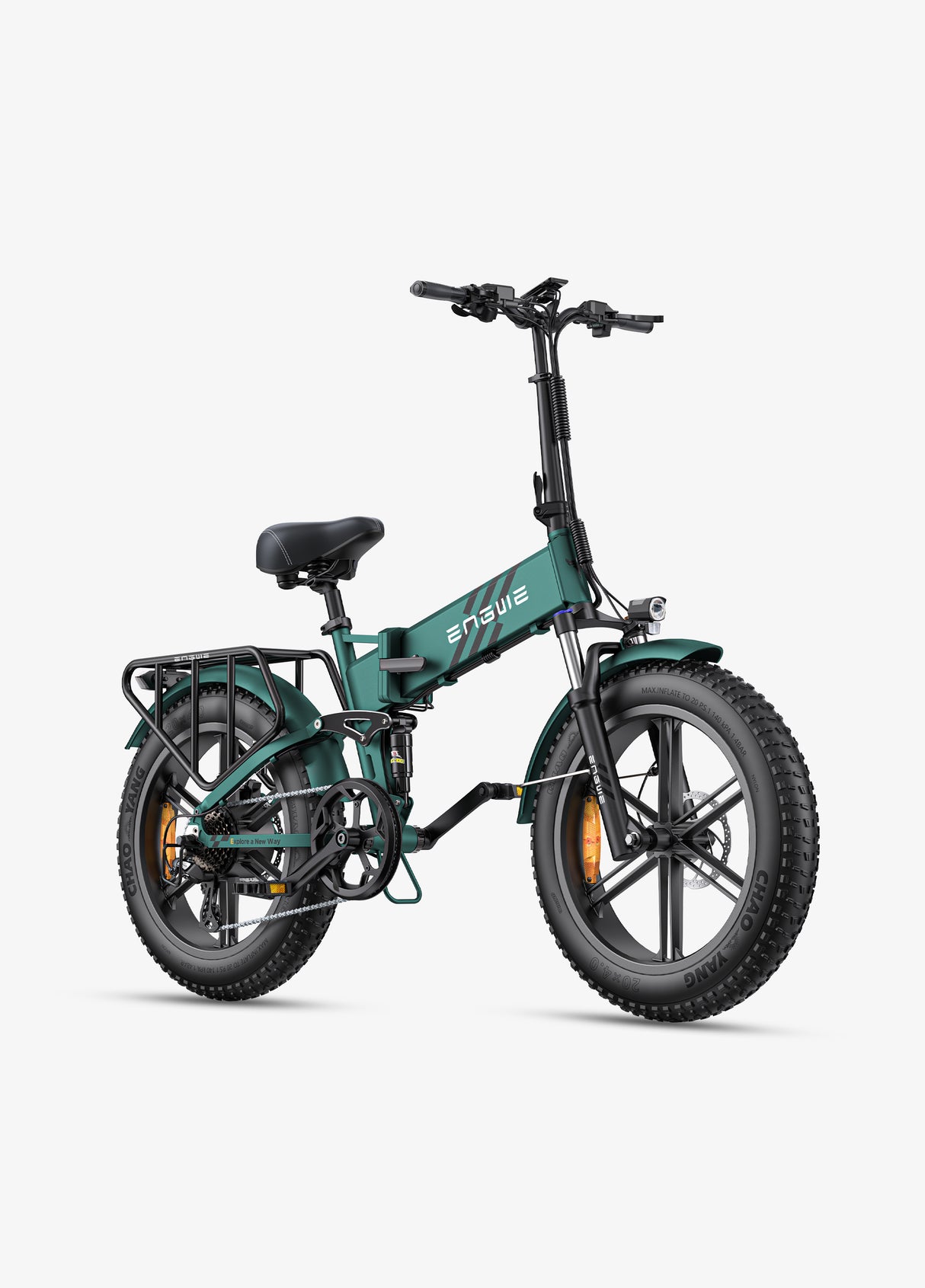
Indeed, though the big three provide access to great motor systems, there are people who want a complete package - ready for adventure - designed and built by a single company where frame, motor and components all work in unison. That's where a brand like ENGWE shines, providing electric bikes that are fully integrated and designed for ultimate versatility. The ENGWE Engine Pro 2.0 is the embodiment of that philosophy, rigorously crafted as your sturdy wilderness friend. You’re not patching together a system; you get an off-the-shelf machine that’s capable wherever it rolls. Its high-torque motor is like nothing else in its class, the propelled torque makes conquering slopes a breeze while making this bike a beast around town and trails with the articulating suspension system. This bike is all about control and comfort with a full suspension that takes the brunt of most bumps giving you a more comfortable ride.

Features of ENGWE Engine Pro 2.0:
- Strong Motor: 75 Nm high-torque motor, an excellent hill-climbing and acceleration ability.
- Advanced Sensor: The torque sensor's responsive, low-noise, and durable construction provides it with excellent signal characteristics.
- Super Comfortable: A full suspension system (front and rear) with the high quality cushion makes a super comfortable ride in tough or bumpy road.
- High-capacity Battery: The 16Ah large-capacity Lithium-Ion battery can easily support a mileage of up to 110 km, ideal for a long journey.
- Optimum Convenience: The frame folds in just 10 seconds for easy transport and storage.
- Powerful Stopping: Responsive hydraulic disc brakes keep speed in check for effective control.
- All-Terrain Made Easy: Stop worrying about obstacles, the 20" x 4.0" fat tires are designed to conquer sand, snow and everything in between on your commute.
4. Battery Systems, Range, and Efficiency
A battery is the life force of an e-bike. Bosch does this well with its PowerTube batteries, which can be had in whacking 750Wh sizes and are neatly tucked away inside the bike’s downtube. Their system is PowerMore range extender compatible for epic rides too. Shimano works with a selection of the top end battery brands, meaning bike designers are offered greater freedom with frame geometry and weight distribution. Size variants: TBC. Capacity options: 504Wh, 630Wh are prevalent. Yamaha gives you a few different price points and bike styles in terms of reliable internal and external batteries. Range isn’t only a function of the size of the battery; it is about efficiency.
How to Make the Most of Your E-Bike Range:
- Utilize Lower Assist Modes: Stick to Eco and Tour, and reserve Turbo for the steepest of hills.
- Maintain tire pressure: Tires inflated to the correct levels produce less rolling resistance and can greatly improve efficiency.
- Even Pedaling: On flat, easy terrain (like an empty parking lot!), try to keep your pedaling cadence smooth and steady.
- Travel Light: Don't carry any unnecessary weight on your bike.
- Go Low Gear: Think of the assist as more like a booster rocket that helps you get over hills or out of starts when starting up after stopping. This is an essential skill for a new e-bike user to acquire.

5. Trade Application, Maintenance and Cost of Ownership
For the best motor for you…it heavily depends on what your use is going to be. Bosch systems are shared with top-end commuter, trekking and eMTB models. This makes sense to me for many of Shimano’s lighter, faster eMTBs – you’ll find their motors as stock motor choices on some super high-performing and lithe machines that put handling first. Yamaha motors are common on performance and value-oriented eMTBs as well as commuter bikes. For repair, all three have broad service networks. Bosch has more certified technicians than most, so service is available everywhere. There’s a lot of momentum in having your name appear on almost every bike shop around the world. I'd also recommend Yamaha as well for their excellent service and reliability. The long-term cost goes beyond the point of purchase and may include replacing batteries or servicing.
| Feature | Bosch Performance Line CX | Shimano EP801 | Yamaha PW-X3 |
|---|---|---|---|
| Max Torque | 85 Nm | 85 Nm | 85 Nm |
| Key Feature | Smart, adaptable assist (eMTB Mode) | Light, natural ride feel | Direct response / Zero Cadence Support |
| Ideal Use | Trail riding, AM and Enduro | All Mountain, Performance mountain bikes | Aggressive Riding & Good Value Builds |
Looking for a full e-bike instead?
- Brands like Trek and Specialized typically use Bosch or Shimano systems in their higher-end models.
- Giant Bicycles co-develops its SyncDrive motors with Yamaha.
- Go for an all-in-one solution to the adventure bike by such companies as ENGWE.
What is the best engine for a beginner?
In terms of user-friendliness and intuitiveness, the Bosch system with eMTB mode is great for beginners; it delivers exactly as much power as you need and does all the thinking for you.
Which system is the most customizable?
Shimano’s E-TUBE PROJECT app provides the highest level of customizability of assist behavior, with two specific modes you can set up to be perfect for both casual cruises or intense singletrack.
Motor system vs. complete bike package, how do I decide?
If a particular ride feel and technology ecosystem are most important to you, select one of the bikes that works with Bosch or Shimano or Yamaha. If you don’t want to DIY a purpose-built rig for surefire success at a particular activity—say, all-terrain exploring with the full table of features—a complete package from an all-encompassing outfit like ENGWE is usually the best value.
At the end of the day, the perfect motor system is one that matches your bike, your terrain, and your adventure seamlessly.


