



Demystifying E-Bike Torque
When you’re picking out an Electric Bike, all too often everything boils down to one key number—a figure that in truth can be critical yet is also largely ignored or misunderstood: torque in Newton-meters (Nm). This one number determines the acceleration and climbing ability of your e-bike. Whether you’re zipping around city streets or scaling steep hills, knowing your torque preference is the key to tuning the perfect ride. Here we’ll help guide you through how many Nm of oomph you’ll want, and then your e-bike becomes the absolute perfect fit for your day-to-day life.
First let’s demystify torque and what it means for your ride. The torque is the turning force that the motor applies to the wheel. Wattage (W) measures the power output of the motor over time, and torque (Nm) is an indication of its immediate twisting force. Think of it as the muscle or grunt that gets you up and running, particularly from a standstill or when working against an incline. In practice, for an e-bike rider, this results in a literal, real-world scenario. A bike with more torque will feel more responsive and powerful when you press the pedal. This is the difference between dawdling away from a stoplight and confidently accelerating. It’s important to know the common torque ranges for an informed purchase decision.
Low Torque (30-50 Nm)
For riders on flatter ground. It's ideal for relaxed cruising past bike paths, casual city commuting and shorter rides where you don't need to open up the throttle. It's super-efficient for maximum battery range.
Medium Torque (50-70 Nm, the “Goldilocks” zone)
This is also, practically speaking, for most riders. It has sufficient power to get over moderate hills, city inclines such as overpasses, and quick acceleration for stop-and-go urban traffic. It’s a trade-off between power and good battery life.
High Torque (70 Nm +)
This is crucial for people who live in hilly areas, carry lots of cargo, or just want really fast acceleration. This much torque takes the edge off steep climbs and gives you the grunt for loose trails or pulling a kids’ trailer.
| Torque Range | Best Use Type | Best Feature |
|---|---|---|
| 30-50 Nm | Flat City / Bike Paths | Maximum Battery Range |
| 50-70 Nm | Mixed Urban Commuting, Moderate Hills | All-Rounder Versatility |
| 70+ Nm | Steeper Hills, Heavier Loads, Off-Road Capable | Powerful Acceleration & Climbing |
Finding the Perfect Torque for City Riding
“All you need in the city.” That's the declaration from a lot of commuters on city bikes. You are constantly coming to lights, dealing with pedestrians, and the need to get up to speed fairly quickly in bike lanes. In such a setting, a motor with too much torque will feel jerky and produce poor efficiency. The perfect value for the city varies from 40 Nm to 60 Nm. This is the ideal combination of power and control to ensure smooth and safe acceleration. Anything in this range guarantees you’ll be able to tackle the city without over-taxing your battery, stretching your mileage for a longer commute or more errands.
There are a few things to consider for city riding torque:
-
Stop-and-Go Performance
You'll enjoy coming up to a stoplight and winding back out on the opposite end. You use it to get a head start on traffic at the green light.
-
Energy Efficiency
Mid-range motors in this product line are thoughtfully engineered around the sort of riding you enjoy within the city. They don’t consume much power while cruising, which is a huge money-saver and results in less frequent charging. Pro Tip: Combine that with a lower pedal assist setting (PAS 1 or 2) on flat terrain, and you can at least double your range.
-
Overcoming Urban Challenges
This torque is more than enough to conquer everyday city grades, such as parking garage ramps, bridge approaches, and underpasses. You won't be hanging out to dry.
-
Maneuverability
A more seamless power delivery, found in mid-torque e-bikes, makes it ideal for navigating tight spaces and busy bike lanes. The power is actually quite intuitive on this bike (and not daunting).
Upgrading for Hills: When More Torque is a Must
When you upgrade, you want to have an affair with torque. When it comes to tackling hills, the mid-torque vs. high-torque leap is a stark one. Gravity is forever, and it requires an enormous amount of force to fight against it, not least because you have your own weight plus any cargo. If you live in a hilly area, face moderate hills (>3%/500m) or steeper, look for an e-bike with at least 65 Nm of torque, while 75 Nm+ is the gold standard for the very challenging climbs. Its body of power gives you all the force to keep moving and climbing easily without stressing yourself or its powerhouse. It gives you the muscle to help you climb any hill, and even in strong headwinds your e-bike won’t feel sluggish.
Your requirement for high-torque on hills will be determined by the following criteria:
-
% Gradient
A low-grade hill with a 5% grade is doable for the mid-torque motor. But for long, steep ascents, or slopes steeper than 10%, a high-torque motor (70+ Nm) is not about luxury but a must-have.
-
Rider and Cargo Weight
Force = mass x acceleration. The higher the combined weight you are moving uphill, the more torque it takes. Heavier riders, or those riding with more gear (groceries, a laptop), will want more Nm than someone lighter on an empty bike.
-
Sustained Power
Seek a motor that can deliver high torque over time, not just at its peak. This keeps you from running out of power mid-(long) gut-buster hill!
-
Finding the Right Gear
Crucial User Skill: No matter what, BITD (that’s bike internet speak, short for "back in the day"), shift down to an easier gear (a larger cog on the rear cassette) *before* you start up a steep hill. This enables the motor to turn at its most effective RPM, so more torque is provided while avoiding overheating.
The All-in-One Solution: The ENGWE L20 3.0 Boost
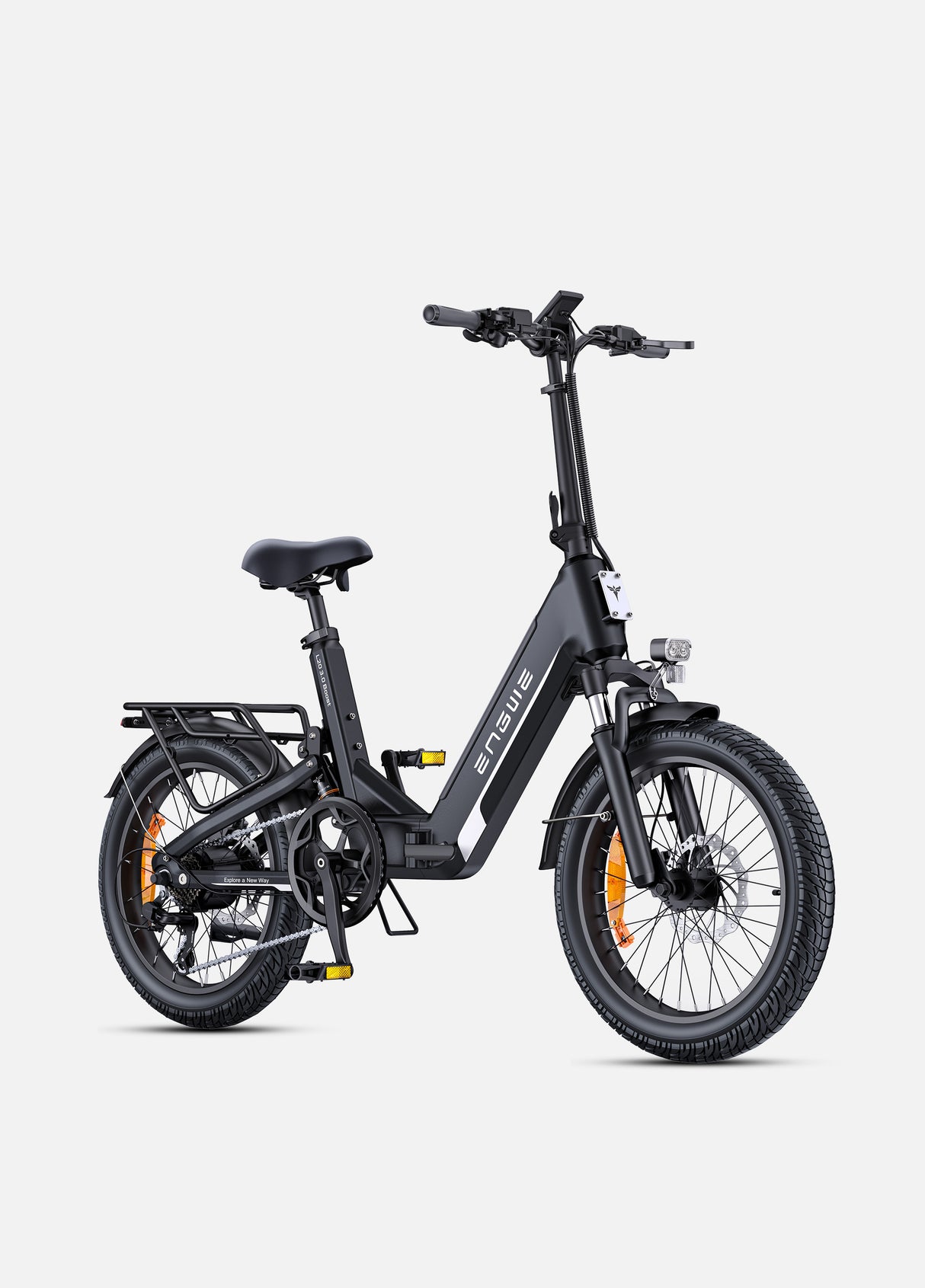
It can be difficult to find an Electric Bike that performs well in both the city and on rough terrain, so when one of them does come along, we pay attention! The ENGWE L20 3.0 Boost has been created to be the ultimate versatile city bike that bridges the gap between town and peak. It shows an intimate knowledge of what today’s customers actually want: power when you need it, but not at the cost of comfort or convenience. What really separates it from the crowd is its smart construction that includes one-click Boost Mode. This gives you a rapid burst to an enormous 75 Nm of torque for hill crushing, while allowing you to run on a much more eco-friendly level at regular city cruising speed. It’s the e-bike for the rider who wants it all, a no-compromise performance beast with a zero-carbon footprint.

There’s no shortage of class-leading features to the ENGWE L20 3.0 Boost:
-
High Rate of Boost
Peaking at 75 Nm of torque, the powerful boost mode delivers significant force when conquering much steeper slopes and provides fast acceleration at startup.
-
Ultimate Comfort
With 4-inch wide tires, soft saddle suspension, and a low-step frame, the ENGWE L20 3.0 Boost delivers an ultra-comfortable ride that smooths out rough terrain along the way.
-
Industry-Leading Quick Charging
The large capacity 48V 13.5Ah battery reaches a full charge in just ~2 hours with the high-amperage fast charger (8A), to keep you out riding!
-
Extensive Range
The ENGWE L20 3.0 Boost features a 135 km range on PAS1, so you don't have to worry about running out of power even during the longest of your commutes.
-
Natural Feedback
An advanced torque sensor results in a pure, natural feeling while riding and gives the boost that feels exactly like your own power and effort.
-
Total Portability
With an easy-to-fold design, this L20 3.0 Boost is simple to carry around in an apartment, put into your car on the way to the beach, or bring along for public transportation.

Beyond Torque: Other Key Considerations
A big motor is important, but a good e-bike purchase needs to be viewed as more than the sum of its parts. Torque is only part of the puzzle. The motor type, the number and types of sensors it uses, and the power of the battery combine to deliver a specific ride experience. There’s something special about a bike where all the elements work so seamlessly together that you forget it even exists as separate components, and for my money, they’ll always outperform that bike with one killer stat. And as the e-bicycle market expands, different models for different purposes beyond mere commuting are appearing. If you're in need of some recommendations, simply choose what you want to use it for and find a machine that fits your lifestyle.
Here are some other important considerations and general guidance:
-
Sensor Type
If you can, opt for e-bikes with a torque sensor rather than a cadence sensor. Torque sensors track your pedaling force, so there’s no jerky start or stops, and the bike behaves just like you’d expect. Cadence sensors only evaluate if you are pedaling, which may be less natural.
-
Battery Capacity (Wh)
High-torque motors consume more energy. Look for an e-bike with a big-enough battery (measured in Watt-hours, Wh) to accommodate your needs and lifestyle, particularly if you live in hilly terrain. For high torque systems, shoot for around 500 Wh or more.
-
Position of the Motor
Mid-drive motors help the bike climb steep hills, as they are designed to pull the bicycle's chain, providing a mechanical boost. This enables users to enjoy indefinite miles, given their relatively good gear ratio, while hub motors are notorious for being about as subtle as a tank.
General Recommendations:
- Lightweight Urbanite: Find a sleek, non-folding road-style e-bike with a lighter 250W motor and about 40 Nm of torque. They are light, nimble, and ideal for lugging up stairs.
- All-Terrain Adventurer: Anything less than a high-torque (85 Nm+) mid-drive motor on an electric mountain bike with plenty of suspension and aggressive tires will not be sufficient.
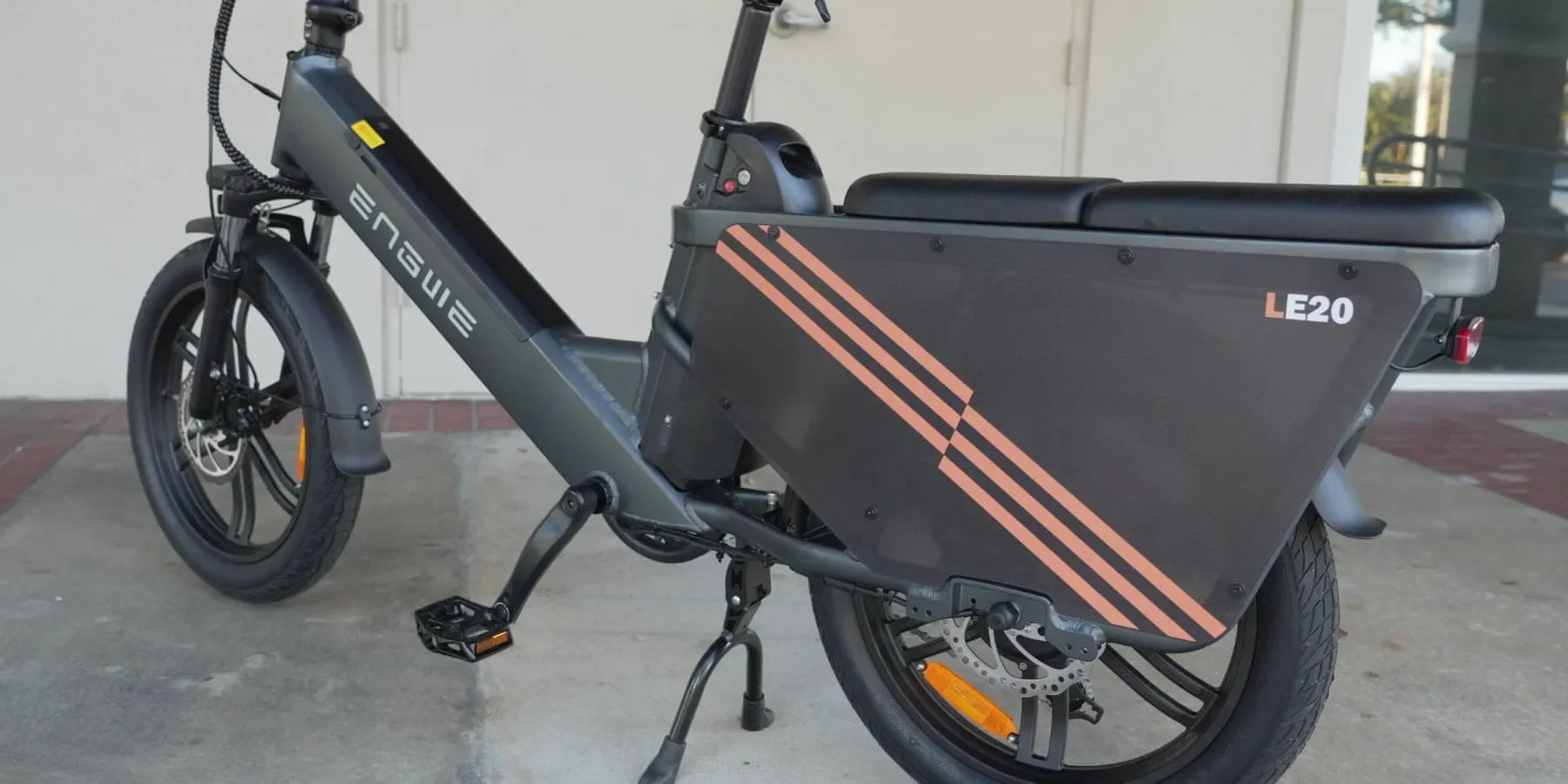
- Family Cargo Hauler: Whether you opt for a longtail or front-load cargo e-bike, you need at least 90 Nm of motor torque to securely and easily carry kids or lots of weight.
What if I want an e-bike with high torque but I’ll mostly be riding in the city?
That is perfectly fine. You’ll just use the lower pedal-assist levels. This will "dial down" the power for a civilized city ride but still saves a ton of battery, giving you the best of both worlds.
Is the weight of my machine an important factor in selecting torque?
Absolutely. A 200-pound rider will need more effort to get up the same hill at the same speed as a 150-pound rider. As a heavier rider, you will always approach from the upper end of torque for your riding conditions.
Is more torque always better?
No. A high-torque motor is inefficient and can create jerk while riding for flat-land riders, not to mention faster tire wear. It’s all about the right tool for the right job.
Now, you are ready to select the perfect Electric Bike for yourself!


