



There’s a rise, or should we say boom, happening in the world of off-road electric bikes like never before — thanks to technologies at their prime for 2025. When you want to conquer the roughest gravel trails, tackle steep climbs and enjoy long distances, it’s important to get the right e-bike. This guide full-filets the noise to test and rank the looking-to-be bologna-free top contenders. We are going to run through performance, tech features and fit all so you can make an informed decision leading you to the best gravel bike for your upcoming adventures.
1 | ENGWE L20 3.0 Pro – Best Overall Versatility is The Name of the Game
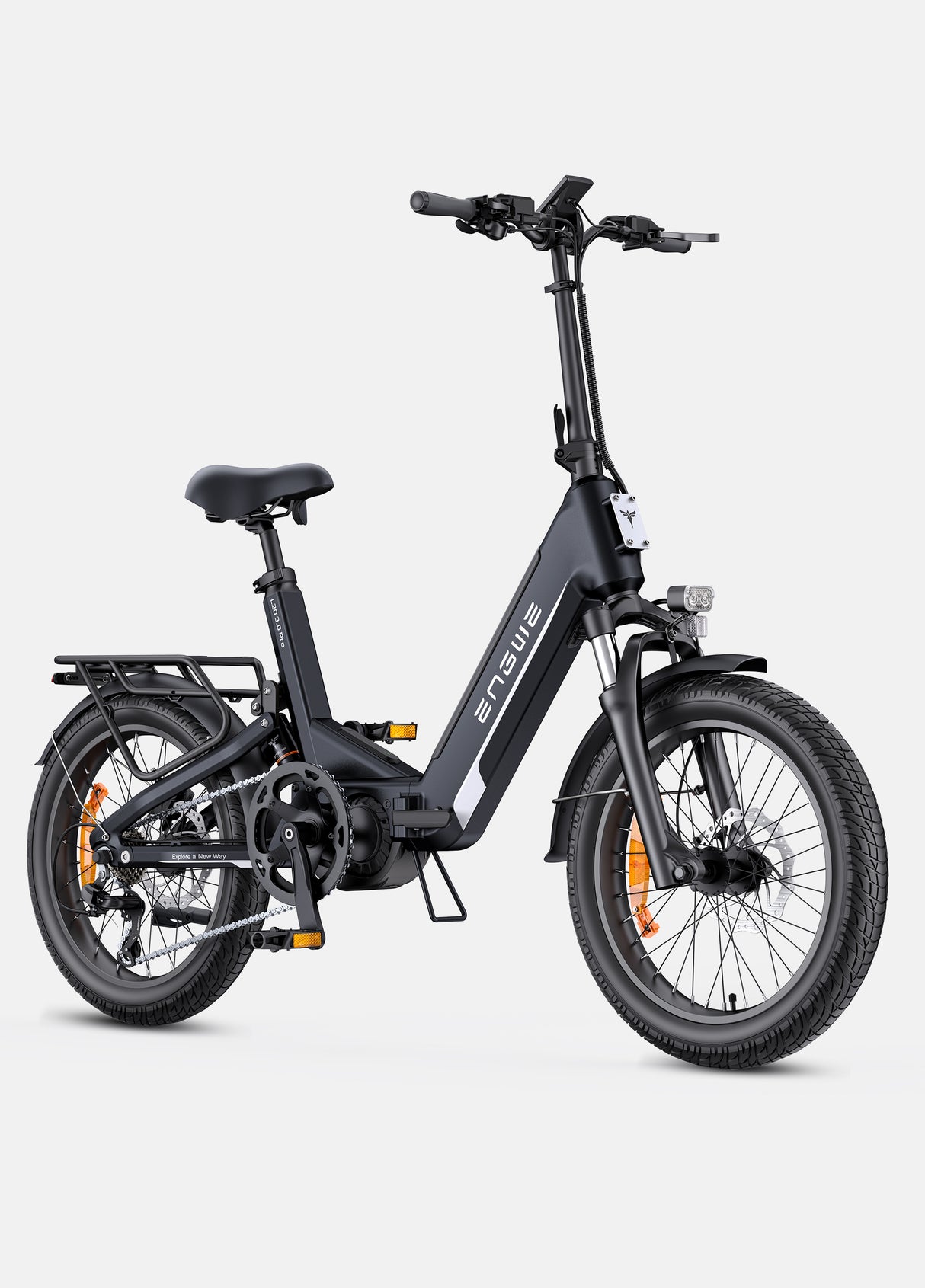
Our first entry, however, tops our list with urban agility and off-road prowess as it has been highly praised for its versatility: the editor’s choice ENGWE L20 3.0 Pro. This is no ordinary gravel bike; this bike is a high-velocity source for everyone who wants comfort and performance wherever they race. What makes it different (not to mention the fact that the frame is compact) is its revolutionary full-suspension system which has been designed to absorb up to 90% of vibrations. This means it provides an extremely comfortable ride on rough city streets and demanding gravel trails. This is all brought to life by a powerful Mivice 250W mid-drive motor that is key to providing an intuitive and seamless level of pedal assist. This motor is a revelation when you come to slopes, delivering an astonishing 100Nm of torque for a forceful response off the line and up hills.

-
Motor Performance:
By using the torque sensor, the Mivice mid-drive motor guarantees intuitive power delivery and makes a riding experience natural to ride.
-
Unrivaled Range and Charging:
The high-capacity 720Wh Samsung battery has a lab-tested range of over 160km. And with 8A fast charging, the downtime between going on adventures has been reduced.
-
Advanced Smart Functions:
The advanced ENGWE IoT module ensures security with GPS tracking, 4G internet features and real-time alarm notices pushed to your app directly for real peace of mind.
-
Comfort & Utility:
This bicycle comes with a foldable step-through frame that makes it easy to mount while wearing pants or a skirt; the bike is perfect for riders who want comfort and convenience.
Essential E-Bike Tech: Motor, Battery, and Suspension
It’s important to know about the technology that powers an electric bike when you’re making a purchase. The motor and sensor system are the heart and soul of your ride, which influence performance—and feel—most noticeably when you’re navigating chattery gravel or shaking pavement. The right pick here’s the difference between a clunky, unnatural ride and something smooth whose power delivery you can sense and control. Be most diligent with these things as they're not very upgradable in the future.
-
Type of Motor: Mid-Drive vs. Hub Drive.
A mid-drive motor installed at the crankset directly powers the drivetrain. And that's an important consideration, since it diversifies weight, improves balance and leverage for climbing—it’s a class leader for serious gravel and off-road use. Located in the wheel hub, hub motors are simpler but can make the bike feel unbalanced.
-
Sensor Technology: Torque vs. Cadence.
A Torque sensor measures how much force you are applying and adds just the right amount of electric assistance for a natural feel. A cadence sensor only checks to see whether you are pedaling and gives you a predetermined amount of help. This one is really straightforward – if you’re riding technical trails a torque sensor is essential for great control.
-
Power Meters: Watts (W) and Newton-meters (Nm).
Watts indicate the power output of a motor, but for off-road performance, Newton-meters (torque) are what really matters. High torque is what carries you up steep, loose gravel hills without stalling.
Aside from the motor, an e-bike’s range and ride quality are determined by its battery and suspension. These factors define how long you can ride and what sort of punishment your body can handle on rough surfaces. Quality components will make a real difference in this regard, pay them special attention because on any long ride the last thing you want is to find yourself 'range anxious' or overly fatigued. It's a smart move to plan the purchase of your kit around how long and on what type of terrain you'd ordinarily ride.
-
Battery Capacity: Emphasizing the Watt-hours (Wh).
And, Volts and Amp-hours are nice to know, but Watt-hours (Wh) is the best way to measure a battery fuel tank. A higher Wh number indicates a longer potential range. For those long gravel adventures, try to get at least a 600Wh battery. Pro Tip: You can also get the most range by maintaining tire pressure, riding on lower pedal-assist levels and keeping your pedaling smooth.
-
Technology of Mountain Bikes: How Mountain Bike Suspension Works.
The hardtail (front suspension only) is lighter and more efficient on smooth surfaces. A full-suspension bike (also known as dual suspension) can make your ride more comfortable on very rough or technical terrain as it offers the ability for your wheels to move up and down over bumps and rocks, keeping your wheels in contact with the ground generating a better grip/traction.
-
Tires and Brakes: Connecting You to the Trail.
Prioritize Gravel-specific super-wide, knobby tires (40mm or more) that give you plenty of bite. Safety first and go with hydraulic disc brakes. They also provide much improved stopping power even in wet conditions, which is unaffected by the weather.

Specialist E-Bikes: Finding Your Niche
There are specialist options out there for all sorts of riders, and the best balance a mix of design features to achieve an array of performance capabilities. Another one of these focused archetypes could be your dream bike if racing, long-distance touring or the apocalypse are all you can think about. All of the above focus on different areas of design, whether that’s weight savings or carrying capacity. The point is to truly evaluate your baseline riding and decide on the tool, that in this case is purpose-built for the job at hand. And here’s a look at the other top contenders, who shine in their own niches.
| Feature Focus | The Ultralight Carbon Racer | The Rugged Bikepacking Mule | The All-Terrain Fat Tire Explorer |
|---|---|---|---|
| Best Use | Competitive gravel racing, fast group rides | Multi-day touring from drop bar bikepacking to dirt road touring and mountain biking travel | Sand, snow, and loose or extreme terrain |
| Frame | Carbon Fiber | Steel or Heavy Aluminum | Aluminum or Steel |
| Priorities | Weight, aerodynamics for low speeds | Durability, racks and gear mounting points | Traction, flotation on soft surfaces |
| Motor Type | Light and efficient hub or mid-drive | High-torque mid-drive | Strong hub or mid-drive motor |
-
The Ultralight Carbon Racer:
For the cyclist who's possessed with speed and efficiency. They use lightweight carbon fiber frames and minimalist motors to mimic the feel of a traditional gravel bike, with just enough assistance to conquer the steepest sections of a race course.
-
The Rugged Bikepacking Mule:
This e-bike is designed for longevity and load-carrying capacity. They tend to have steel frames with a lot of braze-ons for racks, bags and water bottles, combined with a high-torque motor that enables the bike to haul gear over mountain passes.
-
The All-Terrain Fat Tire Explorer:
If your “gravel” path might also feature sand dunes or snowy trails, a fat tire electric bike is the option. Their XL tires offer tons of flotation and traction where today's standard gravel options just don't cut it.
Final Checks: Fit, Components, and Purchase Protection
Finally, there’s more to a wise purchase than the big three. The nuances of e-bike construction, frame geometry, and the support you get after you buy also make the difference between a good bike and a great one. Take one last look at these simple but overlooked elements before you say YES! This information is for YOUR protection, safety and peace of mind. Taking the time to be thorough now can save you money and frustration later.
-
Frame Geometry and Fit:
Gravel e-bikes are available in varied geometries. A “relaxed” or “endurance” geometry puts you into an upright and less aggressive riding position for long days, whereas a “race” or “performance” geometry is more aerodynamic and positioned than the other types. Actionable Tip: Always refer to the manufacturer's size guide and, if you can, have a test ride to fit your bike.
-
Quality of Components: The Drivetrain.
Look for drivetrains (shifters, derailleurs, cassette) from established brands like Shimano or SRAM. A bigger gear range (i.e. 11-42T cassette) is really nice to have on a variety of gradients off road.
-
Closing Pre-Purchase Checklist:
- Warranty: What type of warranty is available for frame, motor and battery?
- User Reviews: Search for long-term reviews detailing reliability and customer service.
- Accessory Integration: Are there stands built in or mounts included for crucial accessories like fenders, racks and lights?

Frequently Asked Questions
What’s more important when picking a gravel e-bike: motor power or battery range?
Each is important but with caveats according to your terrain. For those who live in hilly terrains, high motor torque (Nm) is crucial when climbing. Riders looking for longer, flatter rides need more battery capacity (Wh) for extended range. The perfect bike sits just right for those reasons.
Can I commute daily with a gravel electric bike?
Absolutely. A gravel e-bike can be perfect in its all-round performance so, if you are purchasing one for commuting to work on then it is the best choice. Its sturdy construction is able to withstand potholes and grime on city streets, plus additions like a rear rack and strong tires on models such as the ENGWE L20 3.0 Pro make it highly practical for everyday use.
How much maintenance does an off-road e-bike need?
It shares much of the same maintenance as a non-electric bike — regular cleaning and lubing of the chain, checking brakes and keeping tires at the right pressure. You also need to maintain your battery and contacts, and clean and dry out the electronic contact points for a long-lasting battery.
Now you are informed and can take on any trail with the e-bike that is perfect for you.


